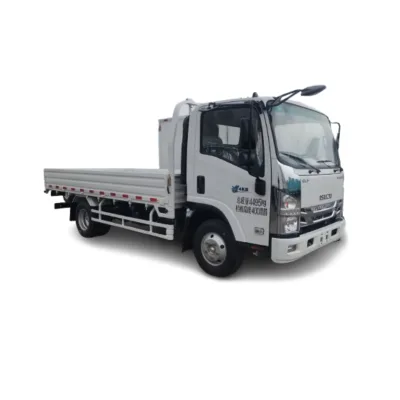
Source flatbed grain transport truck with tool box for mining, agriculture, and logistics
Compare 30 listings for a flatbed grain transport truck with tool box featuring aluminum or steel construction, bolt-on installation, and high-quality finishes. Buyers can evaluate specifications including drive types, engine options, and load capacities from verified manufacturers in China.
Key considerations
Products List




Comprehensive Sourcing Guide
Strategic Sourcing Guide for Flatbed Grain Transport Trucks with Integrated Tool Boxes
Technical Architecture and Component Integration
When sourcing a flatbed grain transport truck equipped with a tool box, the buyer must first understand the distinct separation between the chassis dynamics and the cargo body specifications. The core vehicle platform typically features a diesel engine with options including Weichai, Yuchai, or Cummins, allowing for flexibility based on regional fuel availability and maintenance networks. The transmission is generally manual, paired with drive configurations ranging from 4×2 to 8×4, depending on the required load capacity and terrain. For grain transport, the chassis often supports a flatbed structure made of high-strength steel, which is essential for withstanding the abrasive nature of grain and the dynamic loads of heavy hauling.
The integration of the tool box is a critical architectural decision. In this specific procurement category, the tool box is frequently constructed from aluminum, offering a balance between weight reduction and corrosion resistance. The structure is defined as a non-bearing body, meaning it does not contribute to the structural integrity of the chassis frame but serves purely as a storage and utility module. These boxes are typically designed with a bolt-on installation method, facilitating easier replacement or customization. The finish is usually powder-coated to protect against the elements, and the style is often customizable to fit specific operational needs. The placement of these units is predominantly rear-facing, optimizing the center of gravity and ensuring that the cargo area remains unobstructed for grain loading.
The flatbed itself is designed with specific safety features, such as an anti-slip floor, which is crucial for worker safety during grain loading and unloading operations. The braking system is typically an air brake system, often with an optional Anti-lock Braking System (ABS) to enhance control under heavy loads. Suspension systems vary, with leaf spring suspension being a common standard, though some configurations may offer hydro-pneumatic options for improved ride quality and load distribution. The tire sizes available for these units range from 8.25r20 to 12.00r20, providing versatility for different road conditions.
Compliance, Certification, and Regulatory Standards
Navigating the regulatory landscape is a fundamental step in the procurement of heavy transport vehicles. The supply chain for these trucks often originates from specific manufacturing hubs, such as Hubei, China, where a significant portion of commercial vehicle production is concentrated. Buyers must verify that the manufacturer holds valid certifications, with ISO9001 being a primary standard for quality management systems. Some listings may also reference ISOCCC, indicating a broader scope of compliance, though the specific nature of this certification should be validated against current regulatory requirements in the buyer's jurisdiction.
Emission standards are another critical compliance factor. The vehicles in this category are often associated with Euro Fuel standards for diesel engines, but the exact emission tier (e.g., Euro 4, Euro 5, or Euro 6) must be confirmed with the supplier, as regulations vary significantly by region. The axle number and load capacity certifications, such as CE certification mentioned in some product attributes, must be cross-referenced with local transport laws to ensure the vehicle is legal for operation on public roads.
Furthermore, the product standard for the vehicle dimensions is often listed as 900024503200 mm, representing a specific length, width, and height configuration. However, buyers should not assume this is a universal standard. The "Custom" standard designation implies that dimensions can be altered to meet specific cargo requirements. Verification of the "Light Duty" grade is also necessary, as this classification dictates the permissible load limits and usage scenarios. The vehicle's towing tonnage capacity is noted as 30T, which serves as a benchmark for heavy-duty applications, but the actual load capacity must be verified against the specific axle ratings and suspension capabilities of the chosen model.
Cost Drivers and Pricing Dynamics
The pricing structure for flatbed grain transport trucks with tool boxes is influenced by a complex array of variables. The observed price range for these units spans from 30 USD to 38,896 USD, a wide disparity that reflects differences in configuration, brand, and included features. This range likely encompasses everything from bare chassis components to fully assembled, custom-fitted units. The Minimum Order Quantity (MOQ) is typically set at 100 pieces for bulk procurement, although some listings indicate an MOQ of 1 unit, suggesting flexibility for individual buyers or pilot programs.
Several key factors drive the final cost. The choice of engine brand is a primary driver; Cummins engines often command a premium over Weichai or Yuchai due to perceived reliability and global parts availability. The material composition of the tool box, specifically the use of aluminum versus steel, also impacts the price, with aluminum generally being more expensive due to material costs and manufacturing complexity. The finish quality, such as powder coating versus standard paint, adds to the cost but offers superior longevity.
Customization is a significant cost variable. While the product attributes indicate that customization is available, the extent of this customization—whether it involves unique dimensions, specialized tool box layouts, or specific suspension upgrades—will directly influence the unit price. The payment terms, typically T/T (Telegraphic Transfer), are standard in international trade but may affect cash flow planning. Additionally, the packaging method, whether "Carton+Pallet" for smaller components or "Naked Packaging" for the main vehicle, affects shipping costs and insurance premiums. Buyers must account for these variables when budgeting, as the base price may not include taxes, duties, or freight charges.
Typical Applications and Operational Use Cases
The primary application for flatbed grain transport trucks with integrated tool boxes is the logistics of agricultural commodities. The flatbed design, featuring high-strength steel and an anti-slip floor, is ideal for transporting loose grain, which requires secure containment and easy loading via front-end loaders or conveyors. The 30T load capacity and towing tonnage suggest these vehicles are suited for long-haul transport between grain silos, processing facilities, and export terminals.
The inclusion of a rear-mounted aluminum tool box adds significant operational value. In grain transport, operators often require immediate access to tools for securing tarps, repairing minor equipment, or managing cargo straps. The non-bearing body structure ensures that the tool box does not compromise the chassis strength, while the bolt-on installation allows for easy removal if the vehicle is repurposed for different cargo types. The customization options allow for the integration of specialized storage for grain testing equipment or safety gear, enhancing the versatility of the truck.
These vehicles are also suitable for general heavy-duty transport where the flexibility of a flatbed is required. The 4×2, 6×2, and 8×4 drive configurations offer options for different road conditions, from paved highways to rougher rural access roads. The availability of both Left Hand Drive (LHD) and Right Hand Drive (RHD) configurations ensures that these trucks can be deployed globally, adapting to the traffic laws of the destination country. The single cab or double cab options provide flexibility for crew sizes, allowing for a driver and a spotter or additional crew members to be transported comfortably.
Supplier Evaluation and Selection Criteria
Selecting the right supplier for flatbed grain transport trucks requires a rigorous evaluation process that goes beyond price comparisons. The first step is to verify the supplier's location and origin. Many of these vehicles originate from Hubei, China, a known hub for commercial vehicle manufacturing. Buyers should confirm the specific factory location to ensure they are dealing with the actual manufacturer rather than a middleman, which can impact lead times and communication efficiency.
The supplier's certification status is paramount. While ISO9001 is a common standard, buyers should request proof of this certification and verify its validity. The presence of CE certification for axles and other components is another indicator of compliance with international safety standards. The supplier's ability to provide OEM services is a strong indicator of their capacity for customization, allowing buyers to tailor the truck to their specific operational needs.
The supplier's production capacity and lead times are critical factors. With an MOQ of 100 pieces, the supplier must have the infrastructure to handle large-scale orders without compromising quality. Buyers should inquire about the production schedule and the ability to meet delivery deadlines. The payment terms, typically T/T, should be negotiated to ensure a fair balance of risk for both parties. Additionally, the supplier's track record in the grain transport sector should be assessed, as experience in this niche often translates to better understanding of specific cargo requirements and durability needs.
Quality Control and Long-Term Procurement Considerations
Quality control is essential to ensure the longevity and reliability of flatbed grain transport trucks. The manufacturing process should include rigorous testing of the high-strength steel flatbed, the aluminum tool box, and the engine components. The powder-coated finish should be inspected for uniformity and adhesion to prevent corrosion, which is a common issue in agricultural environments. The suspension system, whether leaf spring or hydro-pneumatic, must be tested for durability under heavy loads to prevent premature failure.
Long-term procurement considerations involve the availability of spare parts and maintenance support. Buyers should verify that the engine brands (Weichai, Yuchai, Cummins) have a robust supply chain for parts in their region. The customization of the tool box should be designed to allow for easy access to maintenance points on the chassis. The "New" condition of the vehicles should be confirmed, and buyers should request detailed inspection reports before shipment.
The packaging method, whether "Carton+Pallet" or "Naked Packaging," should be evaluated for its ability to protect the vehicle during transit. Proper packaging reduces the risk of damage and ensures that the truck arrives in the condition specified. Buyers should also consider the total cost of ownership, including fuel efficiency, maintenance costs, and resale value. The "High" quality rating assigned to these products suggests a focus on durability, but this should be validated through independent reviews or case studies from existing users.
Comparative Analysis of Key Specifications
To assist in the decision-making process, the following table compares key specifications observed in the product listings. This comparison highlights the variability in options available to buyers and underscores the importance of verifying specific attributes before finalizing a purchase.
| Specification Category | Standard Configuration | Custom/Optional Configuration | Notes for Verification |
|---|---|---|---|
| Material (Tool Box) | Aluminum | Steel (Alternative) | Aluminum offers weight savings; Steel offers higher impact resistance. |
| Drive Type | 4×2 | 6×2 / 8×4 | 8×4 is preferred for maximum load capacity (30T). |
| Engine Brand | Weichai / Yuchai | Cummins (Optional) | Cummins often has higher upfront cost but better global parts support. |
| Suspension | Leaf Spring | Hydro-Pneumatic | Hydro-pneumatic offers better ride quality for sensitive cargo. |
| Brake System | Air Brake | Air Brake + ABS (Optional) | ABS is critical for heavy loads in wet conditions. |
| Tool Box Placement | Rear | Custom (Subject to approval) | Rear placement is standard for balance; custom may affect center of gravity. |
| Certification | ISO9001 | ISO9001 + CE (Axles) | Verify CE applies to the specific axle model, not just general certification. |
| MOQ | 100 PCS | 1 Unit (Rare) | 100 PCS is standard for OEM; 1 Unit may incur higher unit costs. |
| Payment Term | T/T | Negotiable | T/T is standard; LC (Letter of Credit) may be an option for large orders. |
This comparative analysis serves as a starting point for buyers to structure their inquiries. It is crucial to remember that the "Standard" column represents common observations, while the "Custom/Optional" column indicates possibilities that require explicit confirmation with the supplier. The "Notes for Verification" column emphasizes the need for due diligence, ensuring that the buyer does not assume a feature is included without written confirmation. By adhering to these verification steps, buyers can mitigate risks and secure a flatbed grain transport truck that meets their specific operational and regulatory requirements.
FAQs
What is the typical MOQ for ordering flatbed grain transport trucks with tool boxes?
The typical Minimum Order Quantity is 100 pieces for bulk procurement. However, some listings indicate an MOQ of 1 unit, suggesting flexibility for individual buyers or pilot programs depending on the specific supplier configuration.
Which engine brands are available for the flatbed grain transport truck with tool box?
Available engine brands include Weichai, Yuchai, and Cummins, which are optional selections. Buyers can choose based on regional fuel availability and maintenance networks to ensure optimal performance for grain transport operations.
Can the aluminum tool box be customized for specific operational needs?
Yes, customization is available for the aluminum tool box to fit specific operational needs. The style is defined as custom, allowing for unique dimensions or specialized layouts while maintaining the non-bearing body structure and bolt-on installation method.
What certification standards do the flatbed grain transport truck with tool box manufacturers hold?
Manufacturers typically hold ISO9001 certification for quality management systems. Some listings may also reference ISOCCC, indicating a broader scope of compliance, though specific nature must be validated against current regulatory requirements in the buyer's jurisdiction.
How is the flatbed grain transport truck with tool box packaged for shipment?
Packaging methods vary between Carton+Pallet for smaller components and Naked Packaging for the main vehicle. The specific method depends on the product type, such as the aluminum toolbox or the full flatbed truck, affecting shipping costs and insurance premiums.
What is the load capacity and towing tonnage for the flatbed grain transport truck with tool box?
The towing tonnage is noted as 30T, serving as a benchmark for heavy-duty applications. The load capacity is also listed as 30T, but actual limits must be verified against specific axle ratings and suspension capabilities of the chosen model.
Which suspension systems are used in the flatbed grain transport truck with tool box?
Common suspension systems include leaf spring suspension, though some configurations may offer hydro-pneumatic options. These systems are designed to handle dynamic loads and provide improved ride quality and load distribution for grain transport scenarios.